
In the rapidly evolving world of cryptocurrency, navigating the best ways to trade efficiently remains critical. One of the most prominent methods preferred by high-stake investors is Crypto OTC trading. Unlike conventional exchanges, over-the-counter cryptocurrency trading allows for more flexibility, large volume transactions, and enhanced privacy. Whether you are an institutional client aiming to diversify your portfolio or a high-net-worth individual seeking to perform significant trades discreetly, understanding the basics of OTC trading is invaluable in optimizing your investment strategies.
When you delve into the realm of Crypto OTC trading, opting for a secure OTC trading platform becomes essential. These platforms facilitate transactions by connecting buyers and sellers directly, providing tailored quotes and significant liquidity. With the boom in digital assets, over-the-counter cryptocurrency trading offers an alternative that aligns with sophisticated and large-volume trading needs. As you explore deeper, it becomes evident why OTC trading holds a distinguished place in the cryptocurrency space.

Key Takeaways
- Crypto OTC trading offers a private and flexible method for large transactions.
- Opting for a secure OTC trading platform is crucial for successful trades.
- Over-the-counter cryptocurrency trading avoids the complexities of traditional exchanges.
- Provides enhanced privacy and tailored quotes for high-volume trades.
- An invaluable method for both institutional clients and high-net-worth individuals seeking efficiency.
What is Crypto OTC Trading?
Crypto OTC trading, or over-the-counter trading, refers to transactions executed directly between two parties outside traditional exchanges. This mechanism has gained tremendous importance for those looking to execute large trades without affecting the market price significantly.
Definition and Overview
In the context of cryptocurrencies, OTC trading involves the direct buying or selling of assets like Bitcoin, Ethereum, and other digital currencies between two parties. This type of trading does not rely on a centralized exchange but rather on an intermediary or broker who facilitates the trade. The Crypto OTC market analysis reveals that this format caters primarily to high-volume traders seeking discretion and quick transactions.
Due to its off-exchange nature, OTC trading offers benefits such as custom pricing, minimal slippage, and a lower risk of market manipulation. For a better grasp of this model, one can look into the best OTC trading strategies employed by successful traders.
Purpose and Importance
There are several reasons why individuals and institutions opt for crypto OTC trading:
- Discretion: Large trades can be conducted quietly, avoiding public order books and maintaining privacy.
- Liquidity: OTC desks can offer more liquidity compared to regular exchanges, a crucial factor for institutional investors.
- Efficiency: By bypassing typical exchange limitations, OTC trading allows for faster execution and settlement of large orders.
According to crypto OTC market analysis, one major benefit remains the ability to navigate around exchange limitations, ensuring that large trades do not disturb the market equilibrium. Moreover, understanding the best OTC trading strategies can be a game-changer for enhancing trading performance in this unique landscape.
Understanding How OTC Crypto Trading Functions
To navigate the world of Crypto OTC trading successfully, it's vital to understand its core mechanisms. These mechanisms can be broken down into four primary phases: initiation, quotation, execution, and settlement. Each phase ensures the efficient transfer of assets while maintaining OTC trading liquidity.
Initiation
The initiation phase begins when a buyer or seller decides to enter a Crypto OTC trading transaction. Participants typically interact with a broker or a secure OTC trading platform to outline their trading intentions—be it the amount, type of cryptocurrency, and price range.
Quotation
Once the initiation has been made, the broker or platform will provide a quotation. This quotation contains the potential price of the transaction, based on current market rates and the specifics of the trade. Quotes are often generated quickly to maintain OTC trading liquidity and keep up with the volatile nature of crypto markets.
Execution
The execution phase is where the trade is actively carried out. Upon agreement on the provided quotation, both parties confirm the transaction, ensuring they act within the mutually agreed terms. Utilizing a secure OTC trading platform helps in this phase to guarantee that the trade proceeds seamlessly and securely.
Settlement
The final phase, settlement, involves the actual exchange of assets. Here, the crypto is transferred to the buyer's wallet, and the corresponding payment is made to the seller. Settlement procedures can vary depending on the platform, but a secure OTC trading platform ensures that the assets are transferred promptly and safely, thus completing the transaction.

Who Makes Use of Crypto OTC Trading?
Over-the-counter cryptocurrency trading has revolutionized the way high-volume transactions are carried out, providing unique advantages for a variety of clients. This approach often employs the best OTC trading strategies, offering personalized services that ensure confidentiality and efficiency. Let's take a closer look at the key groups driving the demand in this space.
Institutional Clients
Institutional clients such as hedge funds, private equity firms, and large-scale investment companies are major players in the OTC market. They are drawn to over-the-counter cryptocurrency trading due to the higher liquidity and ability to execute large trades without significantly impacting the market price. Their participation helps secure substantial market flows & enables strategic investments.
High-Net-Worth Individuals
High-net-worth individuals (HNWIs) also benefit greatly from the best OTC trading strategies. These investors often seek to diversify their portfolios with digital assets while maintaining privacy and avoiding slippage, which is more common in public exchanges. Over-the-counter cryptocurrency trading offers them the personalized services and exclusive opportunities they value.

Crypto Mining Companies
Crypto mining companies are another significant user group for OTC trading. They regularly accumulate large quantities of digital assets that need to be converted into fiat or other cryptocurrencies. By leveraging the best OTC trading strategies, these companies can optimize their transactions for better rates and less market disruption, ensuring the sustainability of their operations.
Benefits of OTC Trading in Crypto
When exploring the world of cryptocurrency, understanding the OTC trading benefits can significantly enhance your trading strategy. One of the primary advantages lies in the ability to execute large trades without causing significant market impact. Unlike traditional exchanges, Over-the-Counter (OTC) platforms allow traders to negotiate directly, ensuring a smoother process and reducing slippage.
Another key benefit is the enhanced privacy that OTC trading provides. Transactions carried out on a secure OTC trading platform are not displayed on public order books, which means traders can conduct their business without broadcasting their moves to the wider market. This level of discretion is invaluable for both institutional clients and high-net-worth individuals.
Additionally, OTC trading offers customized terms for each transaction. Traders can negotiate specific details such as settlement currency, whether in stablecoins or fiat, which adds a level of flexibility not found on regular exchanges. This customization is crucial for meeting the unique needs of different traders.
OTC trades typically involve lower fees compared to those accumulated on exchanges for large volumes. This cost-efficiency is further improved by faster settlement times, allowing traders to move quickly and capitalize on market opportunities.
Moreover, a secure OTC trading platform often provides personalized services, including direct contact with sales and trading desks, enhancing the overall trading experience. Dealers offer bespoke solutions that cater to individual needs, ensuring that each trade is executed with precision and efficiency.
The advantages of utilizing a secure OTC trading platform are substantial and varied. From executing large trades with minimal market impact, negotiating lower fees, to enjoying faster settlement times and personalized service, the OTC market presents a highly advantageous environment for serious traders. By understanding and leveraging these OTC trading benefits, traders can effectively manage their portfolios and optimize their trading outcomes.
OTC Cryptocurrency Exchange vs. OTC Desks
Understanding the difference between OTC cryptocurrency exchanges and OTC desks is crucial for optimizing trading strategies. Unlike public exchanges, Over-the-counter cryptocurrency trading facilitates large transactions directly between parties, ensuring better privacy and tailored services.
Single-Dealer Desks
Single-dealer desks offer a bespoke trading experience by allowing clients to interact with one specific liquidity provider. This approach guarantees aggregated liquidity and fixed all-in pricing, making it a preferred choice for many traders. Single-dealer desks typically provide faster settlements and dedicated broker support, delivering a more personalized trading experience.
RFQ Platforms
Request-for-Quote (RFQ) platforms, on the other hand, enable traders to receive quotes from multiple liquidity providers simultaneously. This method enhances competition, often resulting in better pricing for the trader. RFQ platforms are particularly useful for those who seek transparency and competitive rates in OTC trading liquidity.
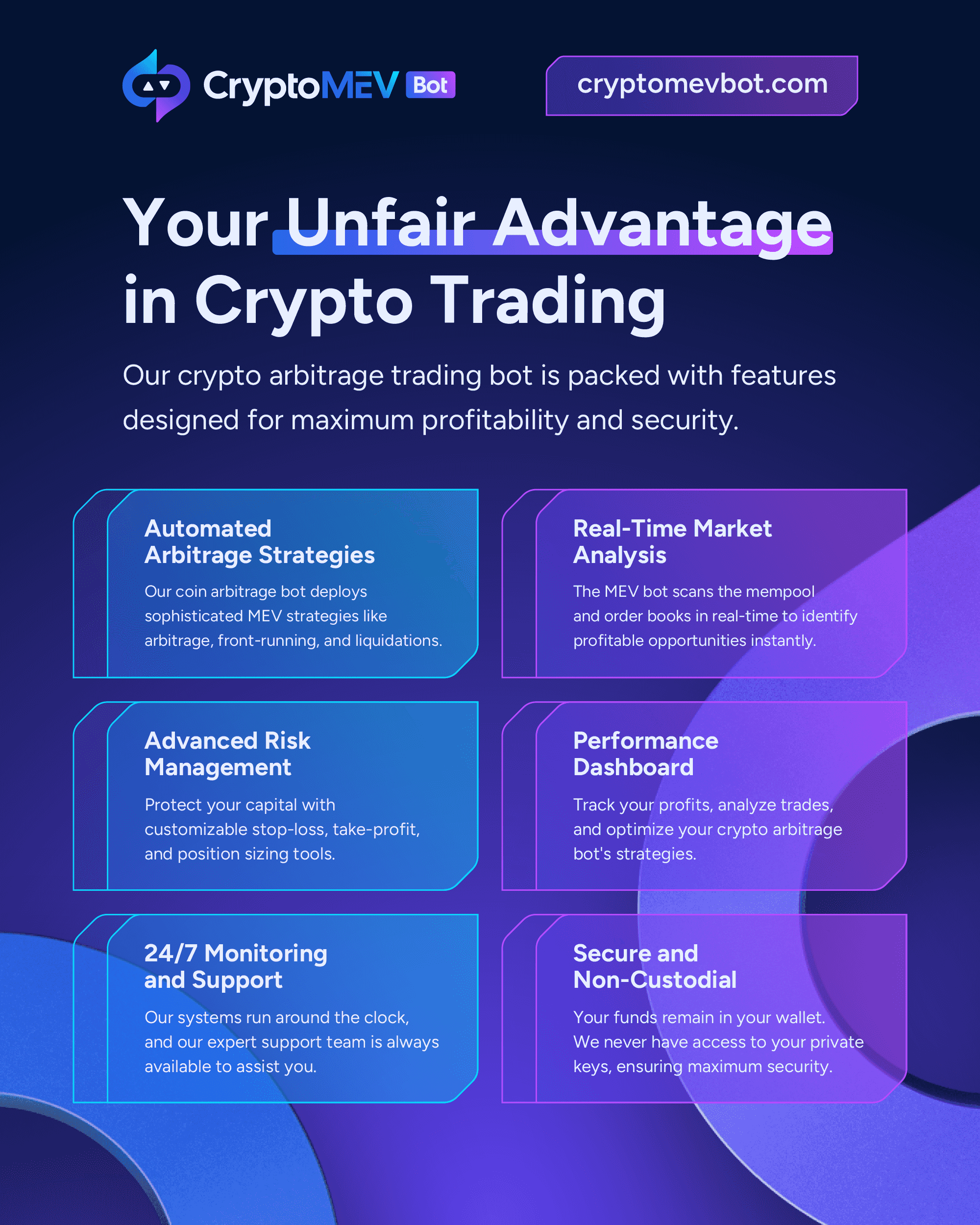
For those interested in automated trading solutions that can complement OTC strategies, explore our Bitcoin arbitrage bot or Ethereum arbitrage bot for enhanced trading efficiency.
Why Institutions Prefer OTC
Institutional investors gravitate towards over-the-counter (OTC) trading desks due to their unparalleled discretion, professionalism, and efficiency in securing the best-price execution. In the dynamic landscape of the crypto OTC market analysis, it's evident that large trades executed on conventional exchanges can significantly sway the market. This risk is mitigated in OTC trading, making it a preferred choice for institutions seeking stability.
An essential factor is the elimination of exchange-imposed order size limits in OTC trading. This characteristic ensures that even substantial transactions are executed seamlessly. Furthermore, the confidentiality offered by OTC trading is unmatched compared to traditional exchanges, appealing to entities prioritizing privacy in their operations.
The digitized financial landscape has further enhanced OTC trading with the advent of digital dollar stablecoins like USDC. These assets facilitate rapid and cost-effective settlements, optimizing the trading experience. According to recent market analysis, the crypto OTC market processes 2x to 3x the trading volumes compared to regular crypto exchanges.
Another crucial point is the liquidity and security provided by stablecoins like USDC, which boasts a market capitalization exceeding $5 billion. These attributes make it not only among the most liquid but also one of the most secure stablecoins available. Employing the best OTC trading strategies allows institutions to leverage these advantages effectively.
| Factors | Advantages |
|---|---|
| Discretion and Professionalism | Ensures privacy and expert handling of trades |
| No Order Size Limits | Facilitates seamless large transactions |
| Confidentiality | Enhanced privacy in transactions |
| Digital Dollar Stablecoins | Fast, cost-effective settlements |
| Market Volume | Higher trading volumes than exchanges |
| Stablecoin Security | USDC's robust market cap and liquidity |
How to Choose the Right Crypto OTC Trading Platform?
When selecting among the top OTC trading platforms, it's essential to evaluate several key factors that can impact your trading experience and security. Here, we break down the most critical aspects to consider to choose a secure OTC trading platform suited to your needs.
Regulatory Credibility
One of the first aspects to check is the regulatory status of the platform. Ensure that the platform is compliant with financial regulations and has the necessary licenses. This enhances trust and assures that you are engaging with a credible entity. Regulatory oversight helps in maintaining transparency and accountability, which are crucial for top OTC trading platforms.
Custody & Asset Security
Security of your crypto assets is non-negotiable. A secure OTC trading platform will have robust security measures such as multi-signature wallets, cold storage, and strong encryption protocols. Additionally, check if the platform offers insurance coverage for digital assets, providing an extra layer of security for your investments.
Liquidity Access
Access to deep liquidity pools is vital for executing large transactions without significant price fluctuations. Top OTC trading platforms should offer high liquidity to ensure that trades are executed smoothly and at competitive prices. Ensuring ample liquidity can significantly affect the efficiency and cost-effectiveness of your trades.
| Criteria | Importance | Example |
|---|---|---|
| Regulatory Credibility | High | Licensed by SEC |
| Custody & Asset Security | High | Multi-signature wallets, Cold Storage |
| Liquidity Access | Medium | High liquidity pools |
Crypto OTC Trading Regulations
In the rapidly evolving world of crypto OTC trading, understanding and adhering to OTC trading regulations is paramount for both security and compliance. These regulations vary by jurisdiction, requiring market participants to be well-informed about the specific rules in their operating countries.
Due to the high-volume nature of crypto OTC trading, regulatory bodies like the SEC in the United States and the FCA in the United Kingdom play critical roles in overseeing and enforcing compliance. These regulatory frameworks are designed to prevent illicit activities, such as money laundering and fraud, while promoting market integrity and investor protection.
Below is a comparative overview showcasing the key regulatory aspects in different major jurisdictions:
| Jurisdiction | Regulatory Body | Key Regulations |
|---|---|---|
| United States | SEC | Anti-money laundering (AML), Know Your Customer (KYC) requirements, registration of trading platforms |
| United Kingdom | FCA | AML, KYC, strict compliance on trading and custody services |
| European Union | ESMA | MiFID II regulations, mandatory transaction reporting, AML, and KYC |
Adhering to these OTC trading regulations ensures that crypto transactions are conducted transparently and securely, fostering a safer environment for all market participants. As the regulatory landscape continues to develop, staying updated with the latest changes is essential for sustaining compliance and operational integrity in crypto OTC trading.
Conclusion
In retrospect, over-the-counter cryptocurrency trading presents a versatile and efficient approach for substantial transactions away from the volatility of public exchanges. By circumventing conventional platforms, this mode of trading caters to the specific needs of institutional clients, high-net-worth individuals, and crypto mining companies, ensuring discretion, better pricing, and enhanced liquidity. The growing preference for such transactions underscores the indispensable role of OTC desks and dedicated OTC platforms in today's digital asset landscape.
Selecting the right environment to engage in over-the-counter cryptocurrency trading involves meticulously scrutinizing regulatory credibility, custody and asset security, as well as liquidity access. These considerations ultimately empower traders with secure, compliant, and resource-efficient trading experiences. Moreover, the evolving regulatory landscape continues to shape the operational scope of this sector, highlighting the ongoing need for compliance and adherence to established legal frameworks.
In summation, by understanding its dynamics and tailored strategies, investors can capitalize on the best OTC trading strategies to optimize their crypto portfolios. The insights provided herein offer a comprehensive guide to navigate the intricate world of over-the-counter cryptocurrency trading, empowering you to make informed decisions in this burgeoning market.
Ready to explore advanced trading solutions? Check out our DeFi arbitrage bot for automated trading strategies that complement OTC trading, or learn more about market makers who provide liquidity in the crypto ecosystem. Visit our pricing page to find the right solution for your trading needs.
FAQ
What is Crypto OTC Trading?
Crypto OTC (Over-the-Counter) Trading involves the direct exchange of cryptocurrency between two parties, bypassing traditional exchanges. This trading method is usually utilized for large-volume transactions to avoid slippage and price impact on public exchanges.
How does Crypto OTC Trading function?
The OTC trading process comprises several steps: Initiation, where the trade begins; Quotation, where a price is quoted; Execution, where the trade is agreed upon; and Settlement, where the transaction is completed.
Who uses Crypto OTC Trading?
Institutional clients, high-net-worth individuals, and crypto mining companies are the primary users of OTC trading due to their need to execute large-volume trades efficiently.
What are the benefits of OTC Trading in crypto?
OTC trading offers several advantages, including increased liquidity, better price execution, confidentiality, and minimized market impact. It's ideal for large transactions that might otherwise disrupt standard crypto markets.
What is the difference between OTC Cryptocurrency Exchange and OTC Desks?
OTC Cryptocurrency Exchanges typically involve multiple buyers and sellers, whereas OTC Desks might be single-dealer setups or Request for Quote (RFQ) platforms, where buyers and sellers can negotiate directly.
Why do institutions prefer using OTC trading?
Institutions prefer OTC trading because it allows them to execute large trades discreetly and efficiently, with better price control and minimal impact on the market, ensuring higher security and confidentiality.
How do I choose the right Crypto OTC Trading platform?
When selecting a Crypto OTC Trading platform, consider its regulatory credibility, asset security measures, and liquidity access to ensure secure and smooth trading experiences.
What are the regulations surrounding Crypto OTC Trading?
OTC trading regulations vary by jurisdiction but generally aim to prevent fraud and money laundering. It's crucial to ensure that the trading platform adheres to local regulatory requirements to maintain compliance and uphold security.