
In the ever-evolving world of cryptocurrency, crypto market makers stand as pivotal characters. Acting as the oil in the engine of the crypto economy, these token trading specialists provide the essential liquidity that facilitates the seamless buying and selling of cryptocurrencies. They effectively bridge the gap between buyers and sellers by placing both buy and sell orders, which helps in reducing the bid-ask spread. In essence, they stabilize the market and reduce price volatility, benefiting both newcomers and seasoned traders alike.
Embracing advanced technology, crypto exchange specialists use automated trading algorithms to monitor market conditions and identify lucrative trading opportunities. By continually providing liquidity, these market makers ensure that markets remain dynamic and functional, even during turbulent times. Prominent market makers like GSR and Wintermute have set benchmarks by consistently delivering efficient trading experiences.
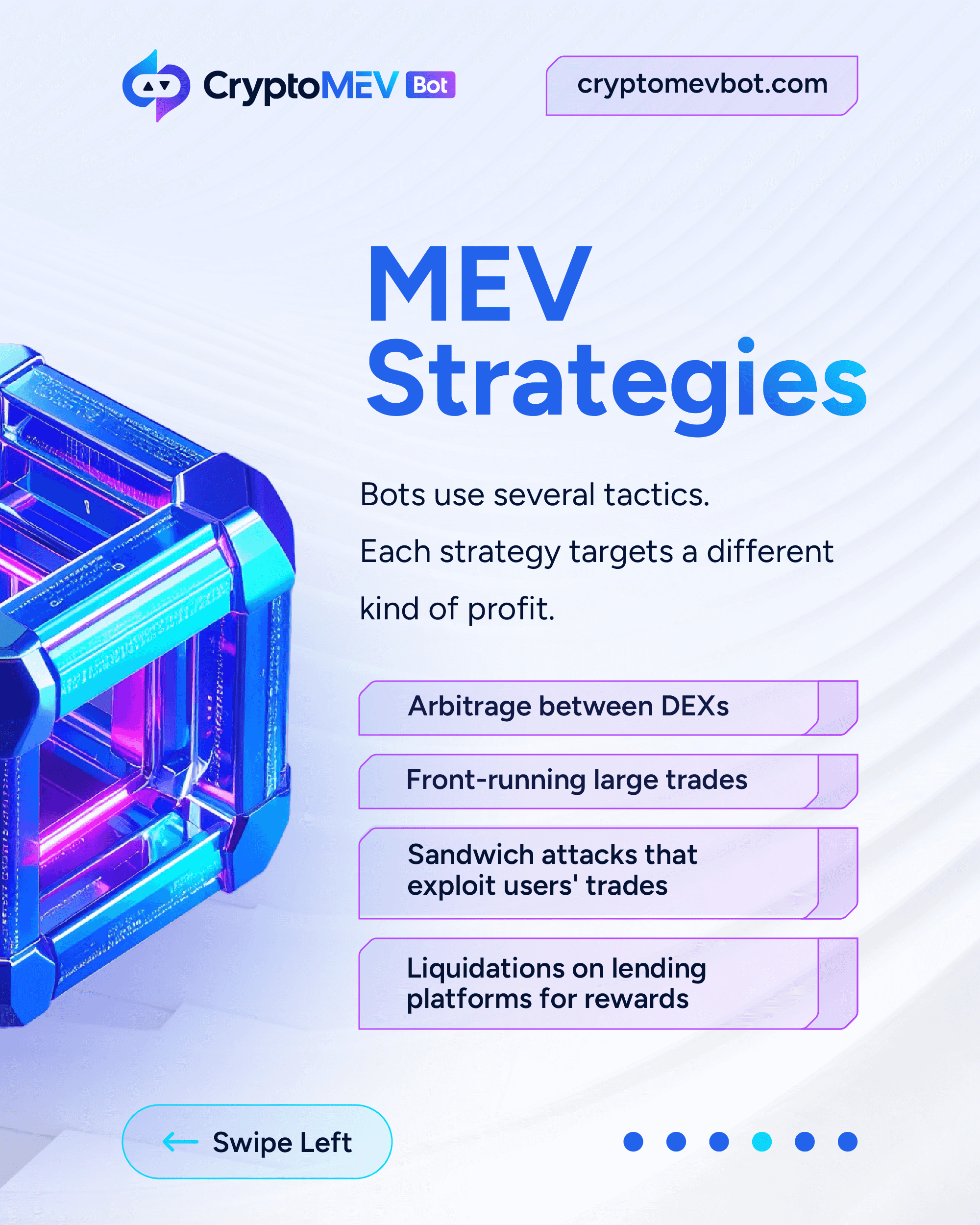
To learn more about how automated market making works, explore our Ethereum arbitrage bot solutions.
Key Takeaways
- Crypto market makers provide essential liquidity to cryptocurrency markets.
- They bridge the gap between buyers and sellers, reducing bid-ask spreads.
- Automated trading algorithms aid market makers in efficient market monitoring.
- Token trading specialists stabilize the market and reduce price volatility.
- Recognized market makers include GSR, Wintermute, and Cumberland DRW.
Introduction to Crypto Market Makers
Crypto market makers play a crucial role in the cryptocurrency ecosystem. They are entities that facilitate trading by providing liquidity, making it possible for trades to be executed promptly without substantial price changes. This function is particularly vital in the often volatile and dynamic world of digital assets.
Definition and Importance
Digital asset market makers continuously place buy and sell orders for cryptocurrencies, ensuring that there is always a counterparty available for traders. This mechanism helps to stabilize prices and reduce volatility. Such liquidity is indispensable as it promotes confidence among traders, encouraging more participation in the market. Cryptocurrency liquidity providers, through their constant trading activities, contribute to the overall health and efficiency of the market.
Historical Context
Historically, market makers have been integral to traditional financial markets, ensuring liquidity in stocks, bonds, and other assets. As financial markets evolved towards digital and decentralized platforms, digital asset market makers transformed their strategies to meet the unique demands of cryptocurrencies. Today, they use advanced algorithms and technology to manage liquidity effectively in the crypto space. This adaptation has been essential to maintaining liquidity in an environment characterized by rapid shifts and unprecedented growth.
Understanding Cryptocurrency Liquidity
Liquidity in the cryptocurrency market is essential for ensuring that buying or selling digital assets can occur quickly, at stable prices. Liquidity providers, such as crypto market makers, play a critical role by injecting capital and creating order flows. This reduces spreads and volatility, ultimately making transactions more seamless for users.
The Role of Liquidity Providers
Cryptocurrency liquidity providers are key players in the crypto ecosystem. They enable smoother trading experiences by offering liquidity pool optimization services. By doing so, they facilitate significant trading activity and ensure that markets remain vibrant and functional. Liquidity providers often leverage sophisticated algorithms to predict market trends and place orders that balance the supply-demand equation.
Challenges in Maintaining Liquidity
One of the main challenges in maintaining liquidity is the rapid market movements and substantial price changes inherent in the cryptocurrency space. Such volatility can make it difficult for liquidity providers to respond in real time. Effective liquidity pool optimization becomes crucial in these situations as it helps to mitigate adverse effects, ensuring market stability even when faced with drastic price swings.

Moreover, maintaining liquidity requires constant monitoring and adjustment to the order books. Providers must remain agile, adapting quickly to ever-changing market conditions. This often involves deploying advanced technologies and strategies to stay ahead of the curve and sustain optimal liquidity levels.
How Crypto Market Makers Operate
Crypto market makers leverage advanced technologies to facilitate smooth and efficient trading experiences. One critical component of their operation is using automated trading bots, which execute high-frequency trades to profit from small price discrepancies. Let's delve deeper into how these bots, along with order book management, maintain market equilibrium.
Automated Trading Bots
Automated trading bots are essential tools for crypto market makers. These bots perform rapid, high-volume trades, ensuring that market makers can capitalize on fleeting price gaps across various exchanges. By setting predefined trading rules and strategies, these bots automate the buying and selling process, increasing efficiency and reducing human error.
Order Book Management
Effective order book management is another vital aspect of market making. Market makers continuously monitor and adjust buy and sell orders to provide liquidity. This meticulous management ensures tighter bid-ask spreads, contributing to market stability. By using sophisticated algorithms, market makers can swiftly respond to market changes, optimizing their positions.
Arbitrage Opportunities
Arbitrage opportunities arise when there are price inconsistencies for the same asset across different exchanges. Crypto market makers exploit these opportunities by buying low on one exchange and selling high on another, thus profiting from the price variation. Automated trading bots further enhance this process by executing these trades at lightning speeds, ensuring minimal risk and maximum gain.
Types of Market Making Strategies
Market makers utilize a diverse array of strategies to ensure smooth market operations. By implementing statistical arbitrage, they analyze statistical patterns to identify and exploit market inefficiencies. This strategy often involves trading algorithm developers who build intricate algorithms to help market makers execute trades rapidly and accurately.
Another common method is inventory management, which involves balancing securities held by the market maker to reduce risk and optimize profitability. Efficient inventory management strategies ensure that market makers can provide liquidity without holding excessively risky positions. Trading algorithm developers play a significant role here by creating tools that help manage these complex inventories effectively.

Trend following is yet another strategy where market makers capitalize on market momentum. By following short-term trends, they can adjust their positions to benefit from price movements. This often requires the expertise of trading algorithm developers, who design and refine algorithms to detect and act upon these trends with high precision.
Overall, these strategies help keep the market balanced by ensuring that the order books are managed proficiently and liquidity is maintained. This neutrality not only promotes market health but also boosts trader confidence.
| Strategy | Description | Role of Trading Algorithm Developers |
|---|---|---|
| Statistical Arbitrage | Identifying and exploiting market inefficiencies through statistical patterns. | Designing algorithms for rapid and accurate trade execution. |
| Inventory Management | Balancing held securities to optimize profitability and reduce risk. | Creating tools to manage complex inventories effectively. |
| Trend Following | Capitalizing on market momentum by adjusting positions according to price movements. | Designing and refining algorithms to detect and act upon market trends. |
Top Crypto Market Makers in 2025
As the cryptocurrency market continues to evolve, several firms have emerged as significant players in providing liquidity and stability to trading platforms. Among them, GSR, Wintermute, and Cumberland DRW are notable leaders in 2025. These firms leverage advanced technology and strategic market insights to support a robust and efficient trading environment.
GSR
GSR has established itself as a key player by utilizing cutting-edge trading algorithms and providing liquidity across numerous exchanges. Their technology-driven approach ensures depth in markets and supports new token launches. GSR's ability to manage large trade volumes without disrupting the market is a testament to their expertise and reliability.
Wintermute
Wintermute is renowned for its high-frequency trading capabilities and efficient market-making strategies. With a focus on minimizing spreads and enhancing liquidity, Wintermute plays a crucial role in stabilizing volatile markets. Their advanced algorithms and commitment to innovation have earned them a top spot among crypto market makers in 2025.
Cumberland DRW
Cumberland DRW brings a wealth of experience from traditional financial markets into the cryptocurrency space. Their comprehensive liquidity solutions and strategic market interventions ensure optimal trading conditions. Cumberland DRW's proficiency in handling diverse assets and large transaction volumes has solidified their reputation as a leading market maker.
Cryptocurrency Exchanges and Market Makers
In the ever-evolving landscape of digital assets, cryptocurrency exchanges and market makers play a crucial role in maintaining an efficient market. The synergy between these entities ensures that traders benefit from improved trade execution, reduced slippage, and fairer pricing.
Importance of Liquidity for Exchanges
Liquidity is vital for cryptocurrency exchanges, as it attracts more users by ensuring better price discovery and trade execution. When an exchange maintains high liquidity, users can buy and sell assets more quickly and at prices closer to the market rate. This assures investors, both big and small, that they can enter and exit positions with ease, thereby enhancing their overall trading experience.
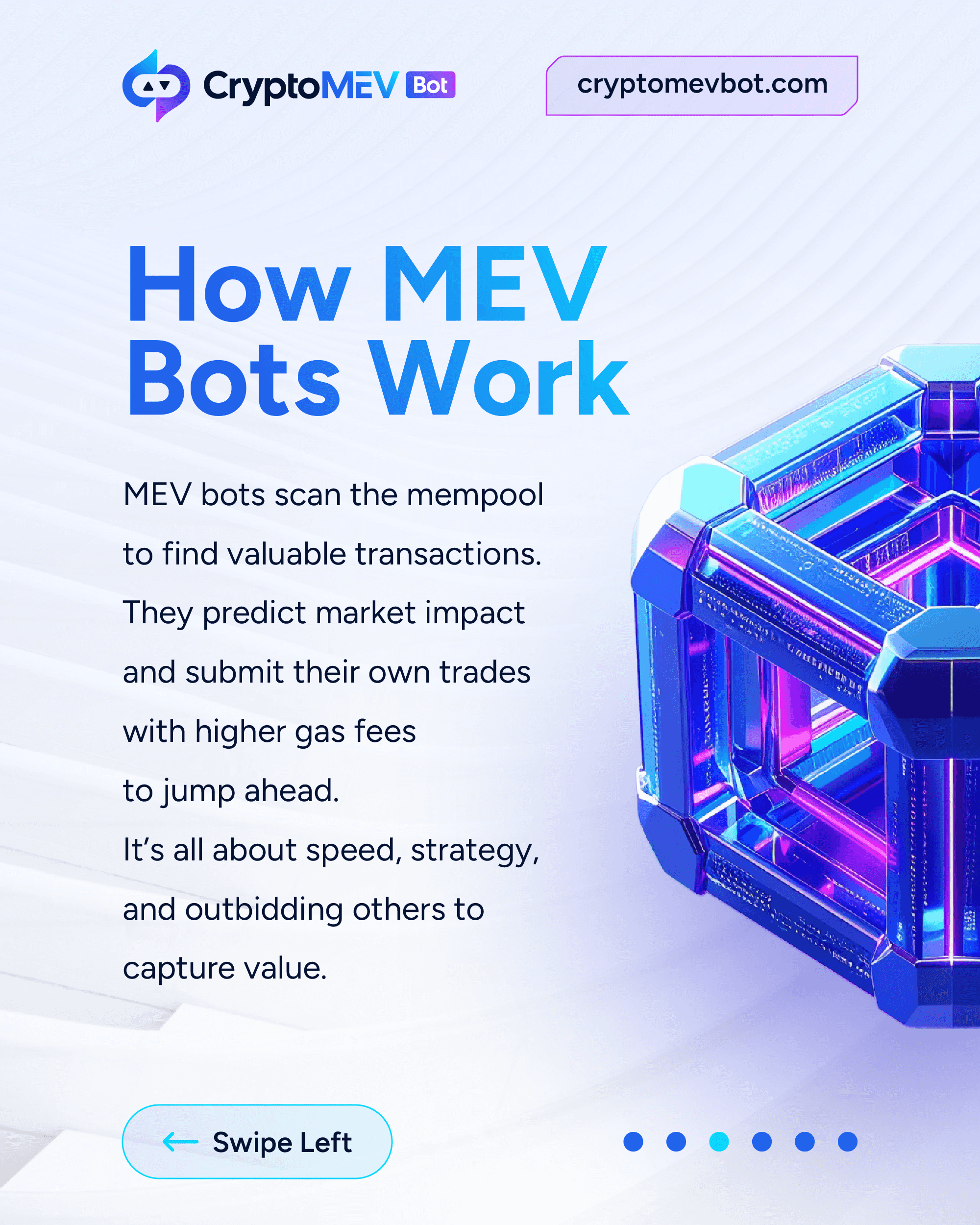
Examples of Successful Partnerships
Successful partnerships between major exchanges and market makers have significantly enhanced trading experiences and boosted market confidence. For instance, Binance collaborates with leading market makers to ensure tight spreads and rapid trade execution. Similarly, Coinbase, through its partnerships, has managed to provide a more stable and reliable trading environment for its users.
Crypto exchange specialists play a pivotal role in these collaborations, ensuring that the intricacies of each platform are optimized to support seamless transactions. These alliances not only catalyze higher trading volumes but also reinforce the stability and reliability of the entire ecosystem.
Benefits of Using Crypto Market Makers
Engaging with crypto market makers provides several significant advantages that contribute to a robust and efficient cryptocurrency market. Below, we explore the key benefits, including reduced price volatility, faster transaction execution, and improved market confidence.
Reduced Price Volatility
One of the primary benefits of market makers is their ability to reduce price volatility. By continuously offering buy and sell options, they stabilize prices, especially in highly volatile markets. This stability not only makes trading less risky but also makes the market more attractive to both institutional and retail investors.
Faster Transaction Execution
Another critical benefit is faster transaction execution. Market makers use cutting-edge technology to ensure that trades are executed almost instantaneously. This speed is crucial for traders looking to capitalize on rapid market movements, thereby enhancing their trading strategies and profitability.
Improved Market Confidence
The presence of market makers also boosts market confidence. Their continuous activity and liquidity provision assure traders that they can enter and exit positions with ease. This assurance attracts more participants and investments into the cryptocurrency space, fostering a more vibrant and dynamic market.
The table below summarizes the key benefits of market makers in the cryptocurrency ecosystem:
| Benefit | Impact |
|---|---|
| Reduced Price Volatility | Stabilizes prices and reduces trading risks |
| Faster Transaction Execution | Enables traders to capitalize on market movements |
| Improved Market Confidence | Attracts more participants and investment |
Overall, the benefits of market makers are pivotal in ensuring a more efficient, stable, and appealing cryptocurrency trading environment.
Market Makers vs. Liquidity Providers
In the crypto market dynamics, understanding the distinction between market makers and liquidity providers is pivotal. Although often used interchangeably, these roles serve different functions.
Key Differences
Market makers are entities or individuals that facilitate trading by always being ready to buy or sell a specific asset. They set both the buy and sell prices and profit from the spread between the two. On the other hand, liquidity providers typically introduce new capital into the market without necessarily engaging in frequent trading activities.
This strategic difference means that market makers play an active role in ensuring that there are enough buy and sell offers to keep the market flowing smoothly, while liquidity providers are more passive, focusing on supplying the market with enough capital to sustain trading activities.
Use Cases for Each
The roles of market makers and liquidity providers are critical depending on specific market scenarios. Market makers are essential in low-volume markets as they generate activity by continually providing buy and sell offers. Meanwhile, liquidity providers are crucial in high-volume markets, where substantial capital is needed to support large trades without significantly affecting the market price.
Both roles are indispensable in supporting the crypto market dynamics, ensuring robust and efficient trading environments across various cryptocurrency exchanges.
The Technology Behind Market Making
In the fast-paced world of cryptocurrency trading, the backbone of effective market making lies in the deployment of sophisticated algorithmic trading tools and cutting-edge data analytics. These technologies have revolutionized how market makers operate, enabling the execution of high-frequency trades and the management of multiple assets simultaneously.
Algorithmic Trading
Algorithmic trading leverages complex algorithms to make trading decisions in real-time, responding to market fluctuations instantaneously. This allows market makers to analyze vast amounts of data swiftly, ensuring optimal entry and exit points for trades. By employing algorithmic trading, companies like Kairon Labs are able to provide 24/7 global market coverage, seamlessly integrated across over 100 exchanges.
Data Analytics
The use of advanced data analytics in trading is equally paramount. By continuously monitoring and analyzing market data, algorithms can identify patterns and trends that are not immediately obvious. This detailed analysis is critical for assessing risks and opportunities in the market, ultimately facilitating more informed decision-making processes. Enhanced data analytics in trading empowers market makers to maintain liquidity, reduce volatility, and ensure faster transaction execution.
Risks Involved in Market Making
Market making, while integral to financial markets, comes with a set of unique challenges and risks. Understanding these risks is crucial for any entity engaged in market making activities. This section explores market volatility, regulatory risks, and technological failures.
Market Volatility
High market volatility is a significant trading risk for market makers. Sudden and unpredictable price swings can lead to unexpected losses. Market makers must adopt sophisticated risk management strategies to mitigate such risks. While volatility can also present opportunities, it primarily increases the complexity of maintaining liquidity.
Regulatory Risks
Changes in market regulation can profoundly impact market makers. These changes can alter trading rules, impose new compliance requirements, or even restrict market access. Keeping abreast with evolving regulations and adopting flexible strategies ensures market makers remain compliant while minimizing disruptions to their operations.
Technological Failures
Reliance on advanced trading algorithms and systems makes market makers susceptible to technological failures. Glitches in trading algorithms or data breaches can lead to significant financial losses and operational downtime. Therefore, robust cybersecurity measures and regular system audits are essential to mitigate these risks.
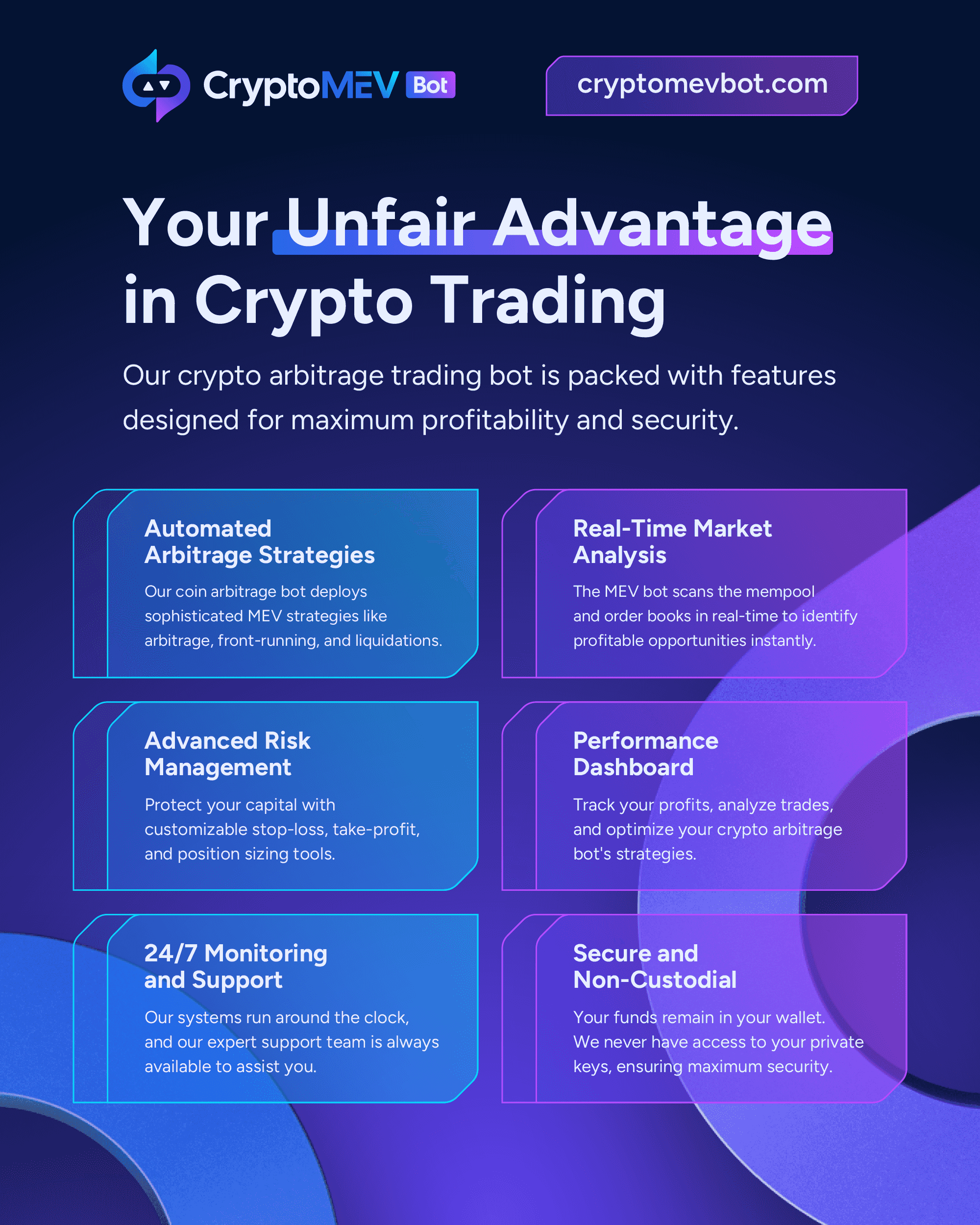
| Risk Category | Impact Area | Mitigation Strategies |
|---|---|---|
| Market Volatility | Financial Losses | Advanced risk management and liquidity provisions |
| Regulatory Risks | Compliance and Operations | Regular regulatory updates and flexible strategies |
| Technological Failures | Operational Downtime | Robust cybersecurity and system audits |
Addressing these risks effectively requires a proactive approach, combining technology, compliance, and comprehensive risk management strategies. This not only ensures smooth operations but also helps build a resilient market-making ecosystem.
Future Trends in Crypto Market Making
As the financial landscape continues to evolve, the future of trading and the cryptocurrency market trends are expected to be shaped by several significant factors. These influences range from regulatory impacts to advancements in trading technology, establishing new market dynamics.
Impact of Regulation
Regulations are poised to play a critical role in the future of trading within the cryptocurrency sector. Governments worldwide continue to formulate comprehensive frameworks aiming to either fortify security or open up new avenues for market participants. Companies like DWF Labs and Wintermute are bracing for these regulatory changes by enhancing their compliance mechanisms and operational strategies.
Advancements in Trading Technology
The incorporation of cutting-edge technologies such as AI and machine learning is revolutionizing the trading landscape. These tools offer sophisticated algorithms for better market predictions and efficient execution. The cryptocurrency market trends indicate that trading entities like Cumberland and Gravity Team, which have already executed over $400 billion in cumulative volume, will continue to leverage these advancements to maintain their market edge.
Market Adaptations
To adapt to the ever-changing cryptocurrency market trends, firms must stay agile and continuously evolve their strategies. Wintermute, for instance, with a trading volume surpassing $3006 billion, exemplifies how adapting quickly to new market conditions can lead to sustained success. Additionally, partnerships with major exchanges like Binance and Kraken by firms such as Kairon Labs emphasize the importance of strategic collaborations.
How to Choose the Right Market Maker
In the dynamic world of cryptocurrency, selecting market makers requires a thorough analysis of various factors. The right market maker can significantly impact the liquidity and stability of your crypto assets or exchange. To aid in your selection process, it's essential to focus on their technological capability, historical performance, strategy adaptability, and alignment with your unique needs.
When conducting a crypto services evaluation, consider the following criteria to make an informed decision:
- Technological Capability: Assess their trading platforms, algorithm sophistication, and data analytics capabilities. A robust technical infrastructure is crucial for efficient market making.
- Historical Performance: Analyze their past performance in various market conditions. Look for market makers with a proven track record of maintaining liquidity and stability.
- Strategy Adaptability: Determine their ability to adapt strategies to different market scenarios. A market maker that can swiftly modify its approach will better serve dynamic markets.
- Alignment with Needs: Ensure their services align with your specific asset or exchange requirements. Customizable solutions can greatly enhance your liquidity and market presence.
| Evaluation Criteria | Importance | Considerations |
|---|---|---|
| Technological Capability | High | Advanced trading algorithms and analytical tools |
| Historical Performance | Medium | Proven track record in various market conditions |
| Strategy Adaptability | High | Flexibility in adjusting to market changes |
| Alignment with Needs | Medium | Customizable solutions tailored to your requirements |
By focusing on these key criteria during your crypto services evaluation, you will be better equipped to make a strategic decision in selecting market makers that will enhance your asset or exchange's liquidity and market presence.
Conclusion
In summary of crypto market makers, it's evident that these entities are critical to the health and efficiency of the cryptocurrency markets. Acting as intermediaries, they significantly reduce price volatility, ensure faster transaction executions, and contribute to enhanced market confidence.
By leveraging advanced technologies such as automated trading bots and sophisticated data analytics, crypto market makers are able to manage complex order books and seize arbitrage opportunities, thereby maintaining liquidity across the trading platforms. Not only do they facilitate smoother trading experiences for individual investors, but they also foster stronger partnerships with cryptocurrency exchanges.
Understanding the operations, benefits, and potential risks associated with crypto market makers enables market participants to make informed decisions in the ever-evolving landscape of digital assets. This comprehensive look into the world of market making underscores their importance in driving robust market performance and fostering sustainable growth in the cryptocurrency ecosystem.
Ready to leverage automated market making strategies? Explore our DeFi arbitrage bot for advanced trading solutions, or check out our Bitcoin arbitrage bot to start automating your trading. Visit our pricing page to find the perfect market making solution for your needs.
FAQ
Who are crypto market makers and what do they do?
Crypto market makers are entities or individuals that provide liquidity to the cryptocurrency markets. They do this by constantly placing buy and sell orders on cryptocurrency exchanges, helping to ensure there is always a market for the tokens being traded. This activity helps to reduce price volatility and improve market efficiency.
What is the importance of liquidity providers in cryptocurrency?
Liquidity providers play a critical role in the cryptocurrency market by ensuring there is enough volume of buy and sell orders to facilitate smooth trading. This reduces slippage, allows for faster transaction execution, and enhances overall market confidence.
How have crypto market makers evolved over time?
Historically, crypto market makers were mostly individual traders using manual strategies. Over time, the market has evolved to include sophisticated firms employing advanced trading algorithms and automated trading bots to optimize liquidity and arbitrage opportunities.
Why is liquidity crucial for cryptocurrency exchanges?
Liquidity is essential for cryptocurrency exchanges because it allows for quicker and more efficient trading. High liquidity means that traders can enter and exit positions with minimal impact on the asset's market price, which is crucial for a healthy trading environment.
What are some challenges in maintaining cryptocurrency liquidity?
Maintaining liquidity in the cryptocurrency market is challenging due to high volatility, regulatory uncertainty, and the technological complexity of automated trading systems. These factors can all lead to sudden changes in market conditions that liquidity providers need to manage.
How do automated trading bots assist market makers?
Automated trading bots help market makers by executing multiple trades simultaneously, monitoring market conditions in real-time, and optimizing order book management. These bots improve efficiency, reduce human error, and capture arbitrage opportunities across various exchanges.
What are some common market making strategies?
Common market making strategies include placing limit orders on both the buy and sell sides of an order book, engaging in arbitrage trading by exploiting price differences across exchanges, and using trading algorithms to optimize quote spreads and manage risk.
Who are some top crypto market makers in 2025?
As of 2025, leading crypto market makers include GSR, Wintermute, and Cumberland DRW. These firms are known for their expertise in providing liquidity, innovative trading solutions, and strategic partnerships with various cryptocurrency exchanges.
How do cryptocurrency exchanges benefit from partnerships with market makers?
Partnerships between cryptocurrency exchanges and market makers are mutually beneficial. Market makers bring liquidity, reduce spreads, and improve trading efficiency, which in turn attracts more users to the exchange. This symbiosis creates a healthier trading ecosystem.
What are the benefits of using crypto market makers?
The benefits of using crypto market makers include reduced price volatility, faster transaction execution, and improved market confidence. These factors help create a more stable and efficient trading environment for all participants.
What is the difference between market makers and liquidity providers?
While both market makers and liquidity providers aim to enhance market liquidity, market makers specialize in continuously placing buy and sell orders to provide immediate liquidity. In contrast, liquidity providers may offer broader services such as large-scale trading and custody services, focusing more on the overall availability of tradeable assets.
What technology underpins market making?
Market making heavily relies on algorithmic trading and data analytics. Algorithms help execute trades quickly and efficiently, managing large volumes of data to optimize trading strategies. Data analytics provides insights into market trends and conditions, aiding in decision-making and risk management.
What are the risks involved in market making?
Risks in market making include market volatility, which can lead to significant losses; regulatory risks, arising from the evolving legal landscape of cryptocurrency trading; and technological failures, which can result in unintended trading activity or system downtime.
What future trends are expected in crypto market making?
Future trends in crypto market making include increased regulatory oversight, which could bring more transparency and security to the market, advancements in trading technology with more sophisticated algorithms, and market adaptations to new trading environments and asset classes.
How should one choose the right market maker?
Choosing the right market maker involves evaluating their experience, technological capabilities, coverage of trading pairs, and historical performance. It's also important to consider their reputation in the industry, regulatory compliance, and the quality of their customer service.